Cold Storage, Warm Bowl: A Home Cook's Guide to Frozen Japanese Clams

Photo: frozen asari clams bag Japanese grocery freezer aisle, via wallpapers.com
The first time I bought a frozen bag of asari, I treated it like a sad substitute for the live clams at the fish counter. I thawed them under hot water, dumped the liquid down the drain, and cooked them until they were tiny rubber pellets. The soup was fine. The clams were not. The mistake was mine, not the freezer's.
Frozen Japanese clams—asari, hamaguri, and shijimi—deserve better than that. They are not glamorous, but they are reliable, affordable, and often better handled than the tired live clams sitting in a supermarket display. For US home cooks who want clam flavor without a same-day trip to a specialty market, the freezer aisle is a real clam counter. You just have to know how to shop it.
Why frozen clams make sense in a US kitchen
Live clams are perishable. They need to be alive when you cook them, which means a store that moves them quickly and a cook who plans ahead. Frozen clams skip that anxiety. They are usually shucked or partially processed, frozen shortly after harvest, and packed in a light glaze or brine. That means you can keep a bag in the freezer for months and pull out a handful when the mood strikes.
The trade-off is texture and liquor. Frozen clams will not give you the same plump, snap-to-the-bite experience as a just-dug littleneck. But they will give you broth, depth, and a briny backbone for soups, rice, pasta, and stews. If you treat them as an ingredient rather than a centerpiece, they deliver.
In the US, frozen Japanese clams show up most often at Asian groceries—H Mart, Mitsuwa, Nijiya, local Japanese markets—and increasingly at well-stocked seafood counters. You will also see them online. The bags are usually small, often one pound or less, which is good for weeknight cooking and bad for feeding a crowd. Buy two if you are making dinner for four.
How to read the label without overthinking it
Start with the ingredient list. Good frozen clams should list clams, water, and maybe salt. That is it. Some packages include a glaze—a thin layer of ice that protects the meat—and that is normal. What you want to avoid is a long list of additives, phosphates, or flavorings. You are buying shellfish, not a seasoned product.
Next, check whether the clams are shell-on or shelled. Shell-on frozen clams are great for soups and steamed dishes because the shells hold a little liquor and look generous in the bowl. Shelled clams are more convenient and better for pasta or rice, but they can be saltier and tougher. Both are useful; just know what you are getting.
Look for origin and species. Asari is the small, sweet clam most often used in miso soup. Hamaguri is larger, meatier, and often served grilled or in clear soups. Shijimi is tiny, intensely briny, and classic for red miso soup. The names matter less than the size and salt level, but they help you predict what the bag will do in the pot.
Finally, check the pack date and the ice. A solid, unbroken block of frozen clams is a good sign. A bag full of loose ice crystals or frost inside the plastic suggests it has thawed and refrozen somewhere along the way. That does not guarantee disaster, but it is not ideal.
Yield expectations: what one bag actually gives you
A one-pound bag of shell-on frozen asari will yield roughly four to six ounces of clam meat once you account for shells and liquid. That is enough for a pot of miso soup for four, a small batch of clam rice, or a pasta sauce that leans on broth rather than piles of meat. If you want clams to be the main event, plan on closer to a pound per person.
Shelled frozen clam meat is more concentrated. A half-pound bag is usually enough for two generous bowls of clam chowder or a skillet of clams with garlic and olive oil. Remember that frozen clam meat often carries extra salt, so taste before you season.
Thawing without losing the liquor
The biggest mistake home cooks make is thawing frozen clams in hot water. Heat shocks the meat, tightens it up, and washes away the briny liquid that makes clam dishes taste like the sea. Instead, thaw in the refrigerator overnight. Put the bag in a bowl to catch any drips. If you are in a hurry, submerge the sealed bag in a bowl of cold water for twenty to thirty minutes, changing the water once. Never use warm water.
If the clams come with a lot of liquid in the bag, save it. That liquid is clam liquor, and it is flavor. Strain it through a fine-mesh sieve lined with a coffee filter or paper towel to catch grit, then use it in place of some of the water or stock in your recipe. If you are using shell-on clams, rinse them quickly under cold water after thawing to remove any loose sand, but do not soak them for a long time—you will rinse away the good stuff.
Cooking frozen clams so they stay tender
Frozen clams are already partially cooked in many cases, or at least blanched before freezing. That means they need less time in the pot than live clams. Add them near the end of cooking. For miso soup, turn off the heat, stir in the miso, then add the thawed clams and let them warm through for a minute or two. For pasta, toss them with the sauce just before serving. For clam rice, fold them in after the rice has cooked and let the residual heat finish the job.
If you are using shell-on clams and want them to open, simmer them gently in a covered pot with a splash of sake or white wine for two to three minutes. Do not boil them hard. The shells may not all open, and that is okay—frozen shell-on clams are not always meant to pop open like live ones. The meat inside is what you are after.
Weeknight uses beyond the chowder pot
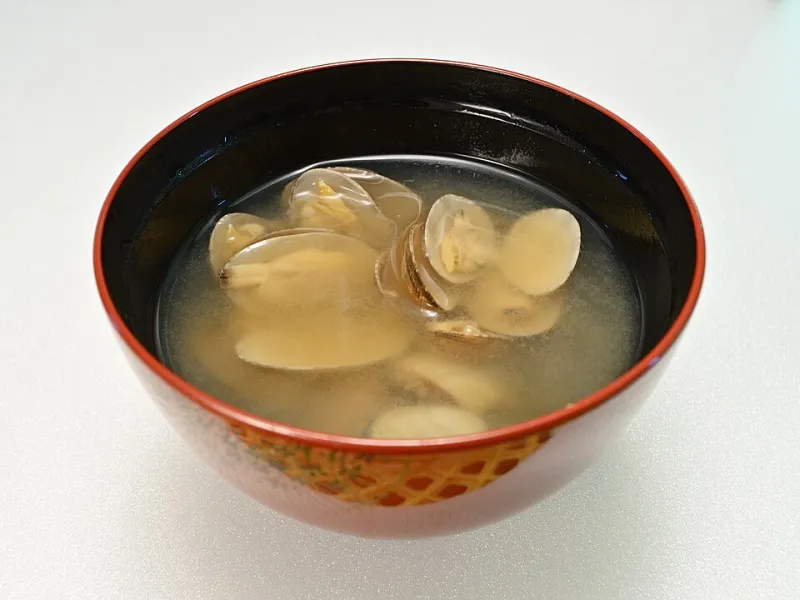
Clam chowder is fine, but frozen Japanese clams can do more. Try them in a quick asari miso soup with tofu and scallions. Toss shelled clams with spaghetti, garlic, chili flakes, and a splash of the strained clam liquor. Make a one-pot clam rice by cooking short-grain rice in dashi, then folding in thawed asari and a knob of butter at the end. Steam hamaguri with sake and serve with a dipping sauce of soy and citrus. Or stir shijimi into red miso soup for a deeply savory breakfast.
The freezer aisle will never replace a good fish counter. But on a Tuesday night in November, when the wind is doing its best impression of a sea squall, a bag of frozen asari is a very good thing to have. Treat it with a little care, and it will taste like you planned ahead.