From Pint to Pantry: How Clam Tsukudani Turns a Small Haul Into a Week of Big Flavor
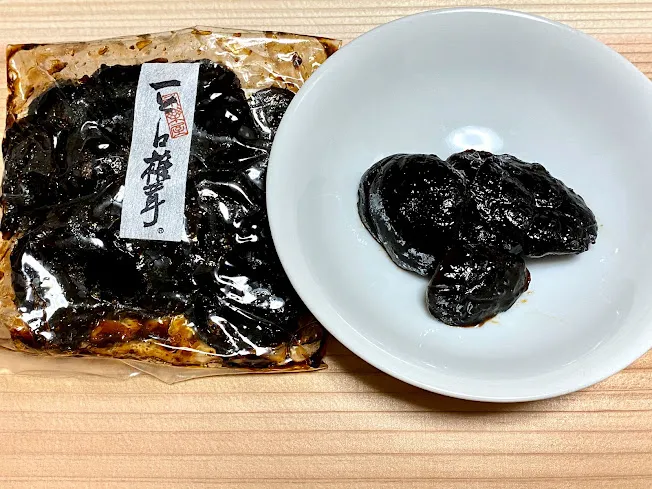
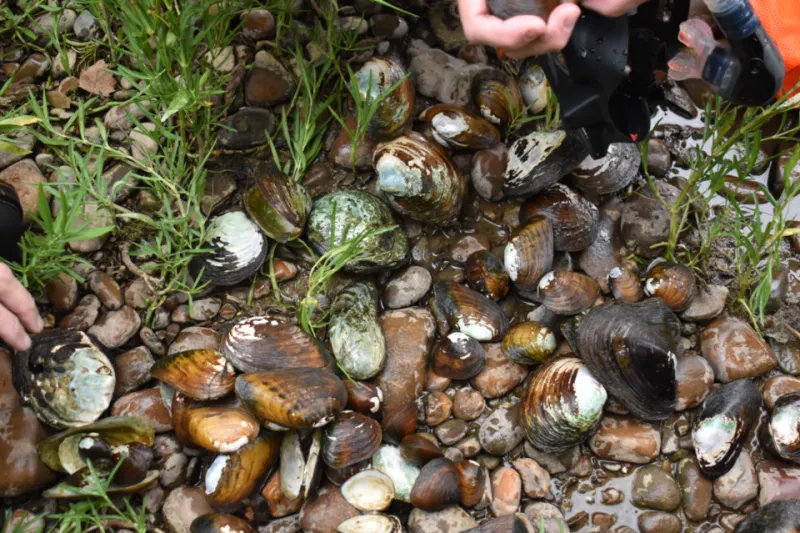
Photo: Kykk wiki, CC0, via Wikimedia Commons
Open the fridge and there it is: a squat jar, half full, dark and glossy, holding what looks like a handful of pebbles in syrup. That jar is the reason a single pint of small clams can carry you through a week of lunches. It is clam tsukudani, and once you make a batch, you will feel mildly annoyed that nobody told you sooner.
What Tsukudani Actually Is
Tsukudani is less a recipe than a method: simmer something small — clams, tiny fish, kelp, even insects in some regions — in soy sauce, mirin, sugar, and often ginger or sake until the cooking liquid reduces to a sticky glaze and the ingredient itself turns dense and savory. Japanese home cooks have been doing this for centuries. The style traces back to Tsukuda, a fishing village in Edo (now Tokyo), where small catches were cooked down with soy and salt so they would survive the trip to market. In 2026 the journey is just from your fish counter to your refrigerator, but the logic holds.
It is not pickling and it is not confit. There is no brine to drain and no fat to store it under. What preserves the clams is concentration: salt, sugar, and a low enough moisture level that spoilage organisms have a hard time getting a foothold.
Small Clams, Big Return
The classic clam for tsukudani is shijimi, the little brackish-water clam (corbicula) that also shows up in miso soup. In the US you will find them live or frozen at Japanese and Korean groceries — H Mart, Mitsuwa, Nijiya, Uwajimaya — sometimes labeled simply freshwater clams. Asari (Manila clams) work beautifully too; they are a touch sweeter and larger, so you may want to simmer them a few minutes longer.
A pound of clams on the half shell is dinner for two, maybe. The same pound simmered down gives you roughly a cup and a half of glistening, deeply seasoned clams, and each serving is only two or three spoonfuls. That is the stretch: you are not eating a bowl of clams, you are eating a condiment made of them.
A quick shopping note. If the fish counter has small hard-shell clams or cockles, ask for the smallest ones in the case. Avoid the big quahogs unless you plan to chop them; a chowder clam simmered whole turns rubbery before it turns tender. And do purge whatever you buy: 45 minutes in cool salted water (about three percent salt, roughly a tablespoon per quart), in the dark, then a good rinse. Small clams hold grit like it is their job.
The Simmer
For one pound of purged clams, combine in a wide skillet: a third of a cup of koikuchi soy sauce, three tablespoons of mirin, two tablespoons of sake, one tablespoon of sugar, a thumb of ginger cut into fine julienne, and half a cup of water. Add a square of kombu and a dried chile if you like. Bring it to a boil, skim the foam, then drop the heat and let it bubble gently for 20 to 35 minutes, stirring now and then.
What you are watching for is the moment the liquid stops being liquid. It should coat a spoon and slide off slowly, and the clams should look lacquered rather than wet. Pull the pan off the heat a little earlier than feels right — the glaze tightens as it cools, and the clams keep drinking up seasoning while they sit. Let everything cool in the pan, then move it to a clean jar with the syrup.
One thing worth knowing: shijimi shells soften enough to chew, and traditionally the whole clam goes in your mouth. Asari shells stay hard and crunchy, so either shuck the clams after cooking and simmer the meats a few extra minutes, or tell your guests to eat the meat and leave the shells on the side of the plate.
How Long It Keeps
In a clean jar in the refrigerator, count on two weeks comfortably, and up to a month if you cooked it down hard and keep it salty. Always use a clean spoon. It freezes well in small portions — two or three months — which is the better move if you are not sure you will finish the jar.
This is not a canned product, and salt does not make it invincible. If it smells sour, looks fizzy, or grows something fuzzy, throw it out without a debate.
Beyond the Rice Bowl
A spoonful over hot rice is the canonical move, and it is a good one. But the jar earns its shelf space elsewhere too.
Toast. Thick sourdough, salted butter, a heap of tsukudani, and a little lemon zest on top. The acid keeps it from tasting like a salt lick.
Onigiri. Fold a few tablespoons through warm short-grain rice with chopped shiso and toasted sesame, form into triangles, wrap in nori. It makes an excellent lunchbox item.
Pasta. Melt butter with a little garlic, add a couple of spoons of tsukudani and a splash of pasta water, toss with spaghetti, and finish with lemon and toasted breadcrumbs. It reads like a clam pasta that took twenty minutes.
Eggs. Spoon it over soft-scrambled eggs or halved jammy boiled eggs. It also works folded into a rolled omelet for a tamagoyaki that tastes like the sea.
Cream cheese and crackers. This one surprises people. The salty-sweet clams against cold cream cheese is a genuinely good appetizer, especially with a little shichimi togarashi.
Salt, Balance, and Honest Expectations
Tsukudani is salty. It is meant to be. Taste your soy sauce before you commit — brands vary wildly — and if yours is on the aggressive side, cut the soy with a little water and add a pinch more sugar. Serve it with plain, unsalted backing: white rice, unsalted butter, a soft egg, a squeeze of citrus.
And be clear-eyed about what it is. This will not replace a plate of steamers with drawn butter, and it should not try to. It is a pantry item, a flavor bomb, a way to make a modest bag of small clams last longer than the weekend. Make a jar on a Sunday, and by Wednesday you will be spooning it onto toast without measuring.