Your Clams Came With a Second Dinner: Saving, Straining, and Freezing the Broth
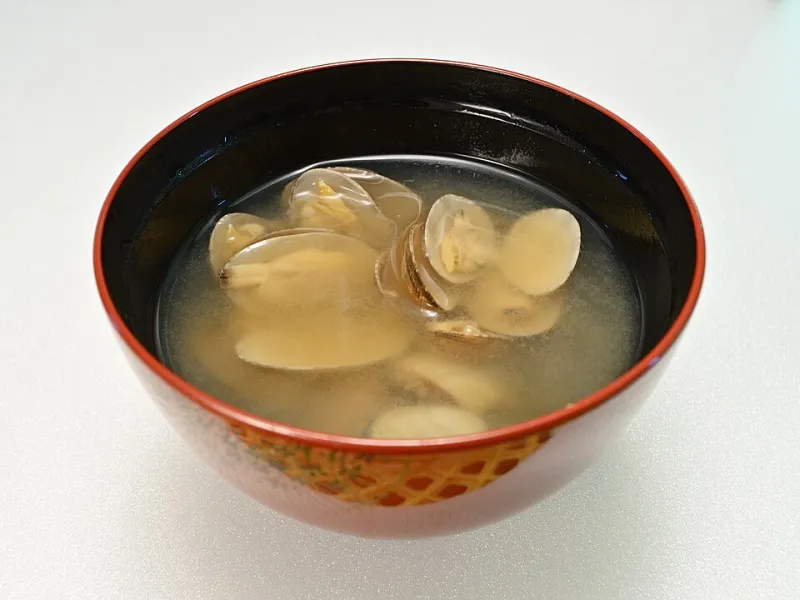
Photo: Ocdp, CC0, via Wikimedia Commons
You bought a bag of littlenecks, steamed them with garlic and a splash of sake, and ate every one. Then you stood at the sink with a pot of cloudy liquid and did the default thing: poured it down the drain. I get it. It looks like dishwater. It smells like the beach. It is also one of the most useful things in your kitchen that week.
Clam broth is not a project. It is the free second course that comes with the clams you already paid for. In Japanese home cooking, the liquid from steaming asari or shijimi is treated as a seasoning—a quick dashi that carries miso, noodles, rice, and pan sauces. You do not need a special recipe to save it. You need a sieve, a jar, and five minutes of attention.
Why the pot liquid is worth keeping
Clams release a savory, saline liquid as they open. That liquid carries the same glutamates and briny depth that make clam chowder taste like more than potatoes and cream. It is already seasoned by the sea, which means it can replace both stock and some of the salt in a dish. If you are cooking for two or three people, a pound or two of clams can give you a plate of steamed shellfish plus a quart of broth—enough for a pot of miso soup and a weeknight udon broth, or a pan sauce for fish.
The catch is that fresh clam broth is perishable. Treat it like stock, not like shelf-stable bottled clam juice. Cool it quickly, refrigerate it, and freeze what you will not use within three days. If the broth smells sharp or sour, toss it. The point is thrift, not risk.
Strain it like you mean it
After the clams come out of the pot, let the liquid sit for five minutes. Grit and sand settle. Ladle the clear broth from the top into a fine-mesh sieve lined with a damp paper towel or a coffee filter. Do not pour the whole pot through at once; stop before you reach the last gritty half-inch. That last bit can go down the sink. The rest is your stock.
If the broth tastes very salty, dilute it with water before using it. If you steamed the clams with sake, white wine, or aromatics, keep those flavors in mind—they will show up in the final dish. Skim any foam or fat from the surface if you like, though a little richness is fine for soup. Cool the strained broth in a shallow container so it chills fast, then refrigerate.
Asari, hamaguri, and supermarket littlenecks
Different clams make different broth. Asari, the small Manila clams common in Japanese cooking, give a sweet, light, briny broth that is ideal for miso soup and delicate noodle dishes. Hamaguri, the larger hard clams, produce a deeper, more savory liquid that can stand up to rice, chowder, and reduced sauces. Supermarket littlenecks sit somewhere in the middle: convenient, moderately briny, and good all-purpose broth—though they can be saltier than expected, so taste before you season.
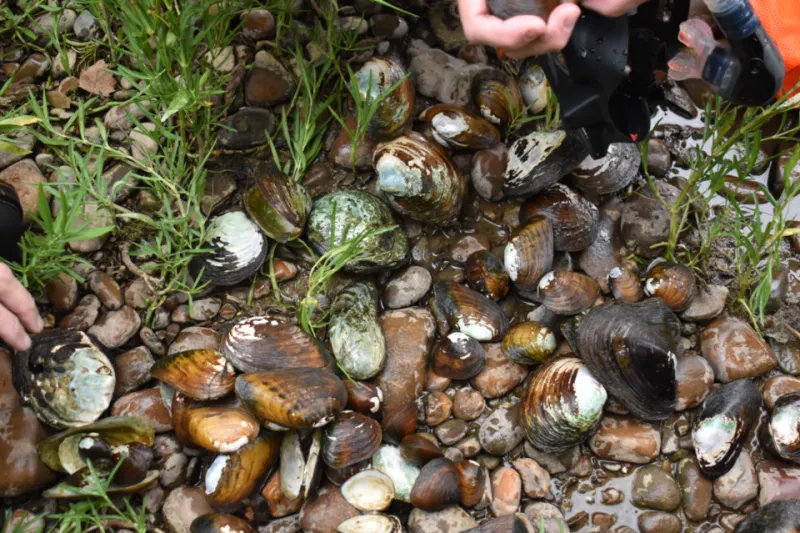
Shijimi, the tiny freshwater clams used for miso soup in Japan, make a especially sweet and concentrated broth, but they are not a standard US supermarket find. If you do see them at a Japanese grocery, save every drop. For most American kitchens, the takeaway is simpler: lighter clams for light soups, bigger clams for hearty dishes, and always taste the broth before adding soy sauce or salt.
Freeze it in a shape you will actually use
A quart container of mystery stock is easy to ignore. Small portions are not. Pour cooled broth into ice cube trays for two-tablespoon flavor bombs, or freeze one-cup portions in small deli containers. Freezer bags laid flat work well if you label them with the date and the clam type. Use within three months for the best flavor. You can drop frozen cubes directly into a hot pan or soup pot; just adjust the cooking time and do not let the broth boil hard before the clams are warmed through.
Three fast ways to use the broth
Miso soup is the most direct move. Warm the broth gently—do not boil it hard—and whisk in miso paste off the heat. Add tofu, wakame, and scallions. If you have leftover clam meat, chop a few pieces and add them at the end. The broth already tastes like the sea, so you need less miso than you think.
Udon broth is the next easiest. Combine clam broth with a splash of soy sauce and mirin, simmer with sliced mushrooms and greens, and pour over cooked udon. A soft-cooked egg on top turns it into dinner. The broth is salty enough that you may not need extra soy sauce, so start light.
For a pan sauce, reduce a cup of clam broth with a little white wine or dry vermouth, then swirl in butter, lemon juice, and parsley. Spoon it over seared fish, tossed pasta, or the clams themselves if you are reheating leftovers. The sauce should be bright and briny, not heavy.
The fridge math
A two-pound bag of clams can become steamed clams with garlic butter on Tuesday, miso soup on Wednesday, and udon on Friday. That is not meal planning gymnastics. It is one jar in the fridge and a few frozen cubes in the freezer. The next time you stand at the sink with a pot of clam liquid, remember that the clams already gave you dinner. The broth is the encore.