The Unflashy Can: Canned Clams, Miso, and the Weeknight Pantry
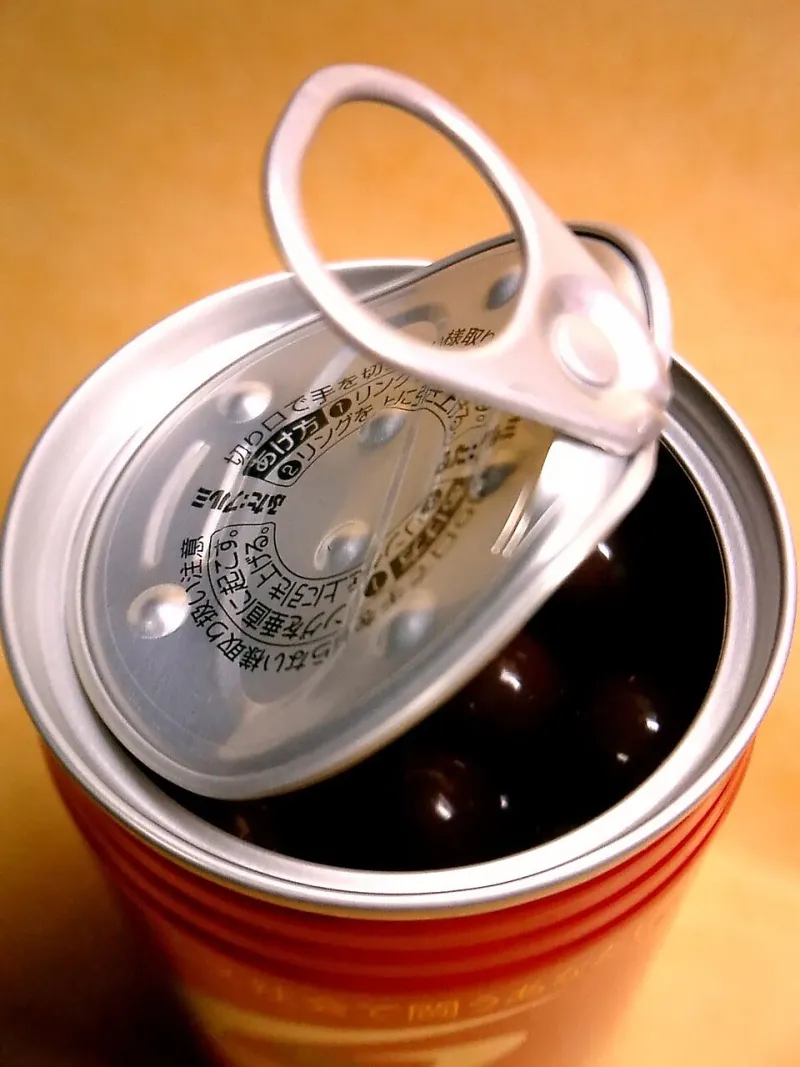
Photo: Tomomarusan, CC BY 2.5, via Wikimedia Commons
It's the day after Thanksgiving, the fridge is doing its annual impression of a Tetris board, and nobody in the house wants to hear the words "fish counter." This is precisely the moment the unglamorous can in the back of the pantry starts looking less like a compromise and more like a plan.
Canned clams have a reputation problem in American kitchens. They get filed under chowder and left there, a backup for when a recipe calls for fresh and you've already put on your slippers. But treat them as their own ingredient — briny, concentrated, a little insistent — and they turn into one of the quickest routes to a Japanese-leaning dinner on a cold weeknight.
What's actually in the can
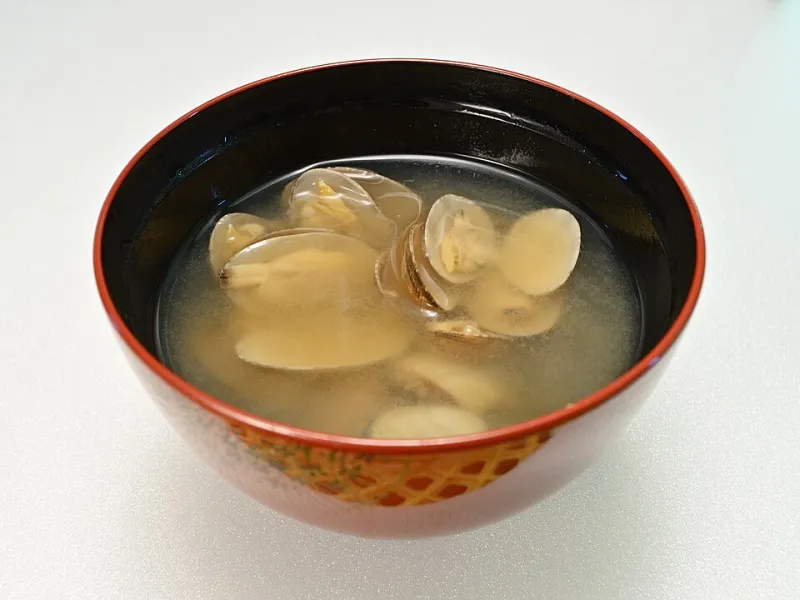
Most supermarket cans in the US hold Atlantic surf clams, the big, tough quahogs that get minced, chopped, or sliced before canning. They aren't asari or hamaguri, and they won't behave like them. The texture is firmer, the flavor more concentrated, and the packing liquid is noticeably saltier than anything you'd pour off a live clam. Some cans labeled "baby clams" are imported from Asia and land closer to the small, sweet clams you'd find in a Tokyo miso bowl.
One useful thing to remember: canned clams are already cooked. You're not really cooking them so much as warming them through and giving them something good to sit in. Overcook them and they go rubbery; treat them gently and they hold up surprisingly well.
Chopped, whole, and smoked
Chopped is the workhorse. Uniform, soft, and salty, it's the right call when the clam is a flavor rather than a texture — dips, soups, a sauce folded through pasta. Drain it, but keep the liquid until you've tasted it.
Whole (sometimes sold as "whole baby") gives you bigger pieces and a bit more chew. This is what you want when the clam should be visible: butter udon, a brothy bowl, a pot of rice. Poke through the can for grit before you commit.
Smoked is a campfire in a tin. Aggressive, oily, and genuinely lovely in small doses. Never rinse it — the smoke is what you paid for. Start with half a can where a recipe calls for a whole one, and use the oil-packed kind for dips, where the richness does you a favor.
Rinse, drain, or neither
Rinsing is the internet's favorite canned-clam argument. The short version: drain always, rinse sometimes.
Drain because the packing liquid runs roughly twice as salty as the clams themselves and tastes metallic when it hits a hot pan unattended. Rinse when the liquid smells sharp or tinny, or when you're making something delicate — a miso soup where you want the miso to lead, for instance. Skip the rinse for smoked clams, and skip it for whole clams you plan to brown in butter, because that surface brine is half the point.
As for the liquid: taste it before you decide. If it's clean and briny, use a couple of tablespoons, but dilute it and simmer it for a minute with a splash of sake or dry vermouth to blow off the tinny edge. If it's murky or harsh, pour it out and build the dish on water plus a strip of kombu. A paper coffee filter is a genuinely good trick for gritty liquid.
A five-minute taste test
Buy two or three cans of different brands, open them side by side, and taste the clams at room temperature. Warm a spoonful of each liquid separately. Then score them, one to five, on four things:
- Salinity — how much salt will this add to the pot?
- Texture — soft and yielding, or firm enough to notice?
- Grit — any sand settled at the bottom of the bowl?
- Tin — that flat, metallic note on the finish, or none at all?
For smoked clams, add a fifth: smoke intensity. Write the scores on the lid with a Sharpie. Next time you're in the aisle, you'll shop like someone who knows things.
Three weeknight recipes
Miso-clam soup
Serves 2 to 3 / about 10 minutes
- 3 cups water and one 3-inch piece of kombu (or 3 cups dashi)
- 1 can whole baby clams, drained, liquid reserved
- 3 tablespoons white miso
- Half a block of silken tofu, cubed (optional)
- 1 tablespoon dried wakame, soaked in water
- 2 scallions, sliced thin
Warm the water and kombu over medium heat and pull the kombu out just before it boils. Add the clams and no more than 2 tablespoons of the reserved liquid; simmer two minutes. Kill the heat. Whisk the miso into a ladleful of broth until smooth, then stir it back into the pot. Add the tofu, wakame, and scallions. Do not boil once the miso is in — it goes grainy and loses its brightness.
Clam-butter udon
Serves 2 / about 15 minutes
- 2 portions frozen udon
- 1 can chopped or whole clams, drained
- 2 tablespoons butter
- 2 garlic cloves, sliced thin
- 1 tablespoon sake (or dry vermouth)
- 1 teaspoon soy sauce
- Black pepper, sliced scallions, shichimi togarashi
Melt the butter in a wide skillet and soften the garlic gently — don't let it brown. Add the clams, sake, soy, and a good grind of pepper, and cook two minutes. Boil the udon separately, then lift it straight into the skillet with a splash of its cooking water and toss until glossy. Finish with scallions and shichimi at the table.
Warm clam dip with shichimi togarashi
Serves 6 as a snack / about 25 minutes
- 8 ounces cream cheese, softened
- 1/4 cup mayonnaise
- 1 can chopped clams, drained, 1 tablespoon liquid reserved
- 2 scallions, sliced, plus more for the top
- 1 teaspoon soy sauce
- 1 teaspoon rice vinegar
- 1/2 teaspoon shichimi togarashi, plus more to finish
- A squeeze of lemon
- Rice crackers or kettle chips, for serving
Heat the oven to 375°F. Stir everything together in a bowl, spread it into a small baking dish, and bake 18 to 20 minutes, until bubbling at the edges. If you want a browned top, run it under the broiler for a minute. Let it rest five minutes, dust with more shichimi, and serve with rice crackers — the ones with a little soy glaze are excellent here.
The pantry math
Buy three cans when they're on sale: two chopped, one whole, plus a smoked one if you have shelf room. They keep for ages, and having them means a real dinner is twenty minutes away on the kind of night when the alternative is toast. The can was never the compromise. It was just the thing you hadn't gotten around to opening.