Clams Don't Care About Your Donabe: A Cast-Iron Route to Japanese Clam Suppers
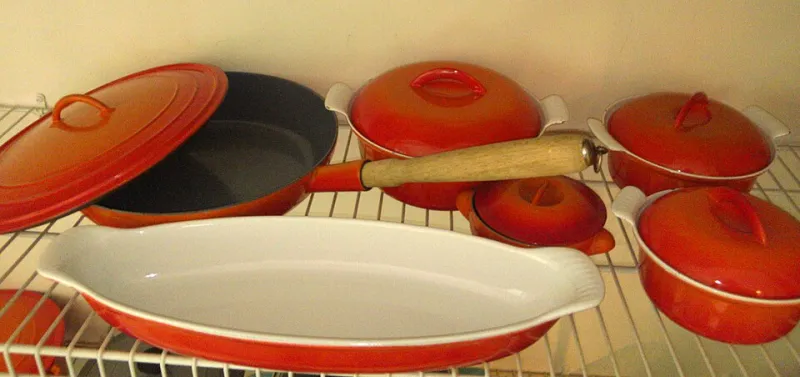
Photo: Fowler&fowler, CC BY-SA 3.0, via Wikimedia Commons
Donabe is a Japanese clay pot, and it is a lovely thing. It is also, for many US home cooks, a $100-plus piece of equipment that has to live in a cupboard and be handled with care. If you are clam-curious but not ready to commit to clay, here is the useful truth: clams do not care about your donabe. They care about steady heat, a lid, and enough liquid to steam without boiling. A cast-iron skillet, a Dutch oven, or a heavy covered pan can deliver all three.
What the donabe is actually doing
A donabe's reputation comes from three things: thermal mass, a tight lid, and a clay body that heats gently and holds warmth at the table. That makes it excellent for rice, simmered soups, and hot-pot dinners where the pot is also the serving bowl. But the pot is not seasoning. It is not adding dashi flavor. It is not making clams open faster. It is managing heat and moisture. Once you see it that way, the substitution question gets much simpler.
The clam dishes that really want clay
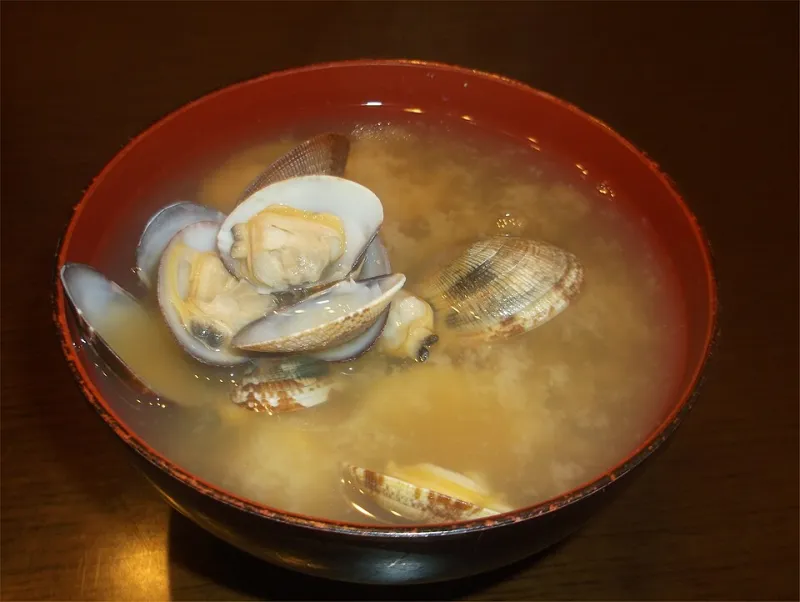
Clam rice is the one dish where a donabe earns its keep. Asari takikomi gohan depends on a heavy pot, a tight lid, and low, even heat so the rice steams and the clams release their brine into the grains. A Dutch oven is the closest stand-in. A deep cast-iron skillet with a lid can work, but the wide bottom and hot spots make scorching more likely; if that is what you have, keep the heat low and check early. Miso soup does not need a donabe at all; a saucepan is better. Sake-steamed clams are forgiving in almost any covered pan. A tabletop hot pot is nicer in clay, but a Dutch oven on a trivet does the job.
Where cast iron earns its keep
For asari no sakamushi — clams steamed in sake — a 12-inch cast-iron skillet is genuinely good. The pan's mass means the temperature does not crash when you add cold clams, and the wide surface gives plenty of room for them to open in a single layer. Use a lid that fits. Preheat the pan on medium-low for three to five minutes, add a little oil and ginger or scallion, then the clams and a splash of sake. Cover. In four to six minutes you should hear the clams ticking open. Cast iron is less ideal for long, acidic simmers, but a short steam is fine. If you are making a longer clam stew with tomatoes or a lot of miso, use an enameled Dutch oven instead.
Heat management, broth, and the covered-pan rule
Cast iron is not nonstick, and it is not subtle. It heats slowly and holds heat aggressively, which means two things: preheat gently, and do not walk away. On a US electric coil or glass-top stove, use medium-low and give the pan time. On gas, keep the flame under the pan, not licking up the sides. When the clams go in, the pan will already be hot; you want a gentle simmer, not a rolling boil. Boiling makes clams tough and can make the broth cloudy. The lid is doing more work than the pot material. A tight lid traps steam, which is what opens the shells and stretches the broth. In a wide skillet, you need less liquid than you think — a quarter cup of sake or water is often enough for two pounds of clams. A Dutch oven needs a little more because it is deeper, but not much. And because cast iron retains heat, pull the pan off the burner when the clams are just open. They will keep cooking in the hot broth.
Serving straight from the pan
One of the donabe's real pleasures is that it goes to the table. Cast iron can do that too, with a trivet and a warning. The pan will stay hot for a while, which is good for a second helping and bad for curious fingers. Do not put a hot cast-iron pan on a cold stone counter or into a sink of cold water; give it time. And do not store leftover clam broth in the pan. Acid and salt can work on the seasoning, and the pot is not a fridge container. Transfer what you do not eat to a bowl, then reheat gently. If you own a donabe, by all means use it for rice and hot pot. If you do not, you are not missing a secret ingredient.
A weeknight template
Rinse two pounds of clams under cold water and discard any that are cracked or open and do not close when tapped. Heat a 12-inch cast-iron skillet over medium-low. Add a tablespoon of neutral oil and a knob of ginger cut into thin slices, plus a few scallion whites. Stir for thirty seconds. Add the clams and a quarter cup of sake or dry vermouth, cover, and steam until the shells open, four to six minutes. Take the pan off the heat. Stir a tablespoon of miso with a little hot broth from the pan in a small bowl, then stir that back into the clams — do not boil it. Finish with butter, scallion greens, or a squeeze of lemon. Serve with rice, bread, or noodles. The broth is the point. Serves three or four, depending on appetite.
The gear question
You do not need a donabe to cook Japanese clam dinners. You need a heavy pot with a lid and the discipline to keep the heat low. A cast-iron skillet is a fine donabe for steamed clams and weeknight suppers. A Dutch oven is a fine donabe for clam rice and hot pot. And a saucepan is a fine donabe for miso soup, which never needed clay in the first place. The clams will not know the difference. Your cupboard will thank you.